Overview
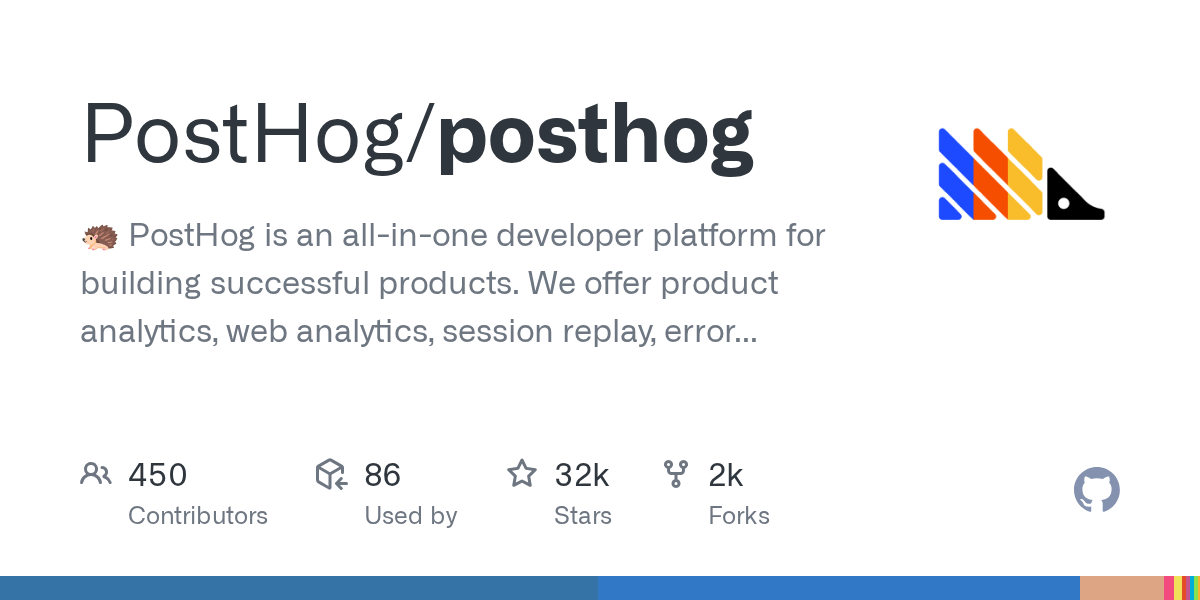
PostHog is a comprehensive all-in-one developer platform that combines product analytics, web analytics, session replay, feature flags, and experimentation tools into a single unified stack. With its hedgehog mascot leading the charge, this open-source platform addresses the growing need for developers to understand user behavior and ship features faster without juggling multiple third-party services.
Key Features
• Product & Web Analytics: Track user interactions, conversion funnels, and key metrics with detailed dashboards and insights
• Session Replay: Watch real user sessions to understand how customers interact with your product and identify pain points
• Feature Flags & Experimentation: Deploy features gradually and run A/B tests to optimize user experiences
• Error Tracking: Monitor and debug application issues with detailed error reporting and stack traces
• Data Warehouse & CDP: Centralize customer data from multiple sources with built-in data pipeline capabilities
• AI Product Assistant: Get intelligent help with debugging code, analyzing data patterns, and shipping features more efficiently
Use Cases
Product Teams: Analyze user behavior patterns, track feature adoption rates, and make data-driven decisions about product roadmaps and improvements.
Development Teams: Use feature flags for safe deployments, monitor application performance, and debug issues using session replays and error tracking.
Marketing Teams: Track conversion funnels, analyze user journeys across different touchpoints, and measure campaign effectiveness with detailed attribution models.
Startups: Replace multiple expensive SaaS tools with a single platform that grows with their needs, from basic analytics to advanced experimentation.
Enterprise Organizations: Maintain data privacy and compliance while getting comprehensive insights across multiple products and user segments.
Why It’s Trending
This tool gained +0 stars this week, showing stable momentum in the product analytics category with its established base of 32,155 total stars. PostHog’s appeal lies in addressing developer frustration with fragmented toolchains, offering a privacy-first alternative to traditional analytics platforms while maintaining the flexibility of open-source software.
Pros
• All-in-One Solution: Eliminates the need for multiple separate tools, reducing complexity and integration overhead
• Open Source Transparency: Full control over data and functionality with the ability to self-host and customize
• Privacy-Focused: GDPR-compliant with options for complete data ownership and on-premises deployment
• Developer-Friendly: Built by developers for developers with comprehensive APIs and integration options
Cons
• Learning Curve: The extensive feature set can be overwhelming for teams just starting with product analytics
• Resource Requirements: Self-hosting the full stack requires significant infrastructure and maintenance overhead
• Feature Depth: Some specialized tools may offer more advanced capabilities in specific areas like advanced statistical analysis
Pricing
PostHog is open source and free to use. They offer a cloud-hosted version with generous free tiers and paid plans that scale based on usage volume. Self-hosting remains completely free, making it an attractive option for cost-conscious teams and organizations with strict data requirements.
Getting Started
You can start immediately with PostHog Cloud at their website or deploy the open-source version from their GitHub repository. The platform offers comprehensive documentation and SDKs for popular programming languages to get tracking implemented quickly.
📊 Stats & Trend
- ⭐ Total Stars: 32,155
- 📈 7-Day Growth: +0
- 🔥 Today’s Growth: +0
- 🏆 Trend: Stable
- 📊 Trend Score: 6431
- 💻 Stack: Python
- 🔗 View Source / Official Page


Comments